

Walk and Talk Therapy in Chicago
Outdoor Therapy for Teens and Young Adults on Chicago’s Southwest Side and Suburbs
Sometimes sitting in an office chair and making eye contact for 50 minutes straight just… isn’t it.
If you
think better when you’re moving
feel calmer outside
or find it easier to open up when you’re not sitting face-to-face
walk and talk therapy might be a great fit.
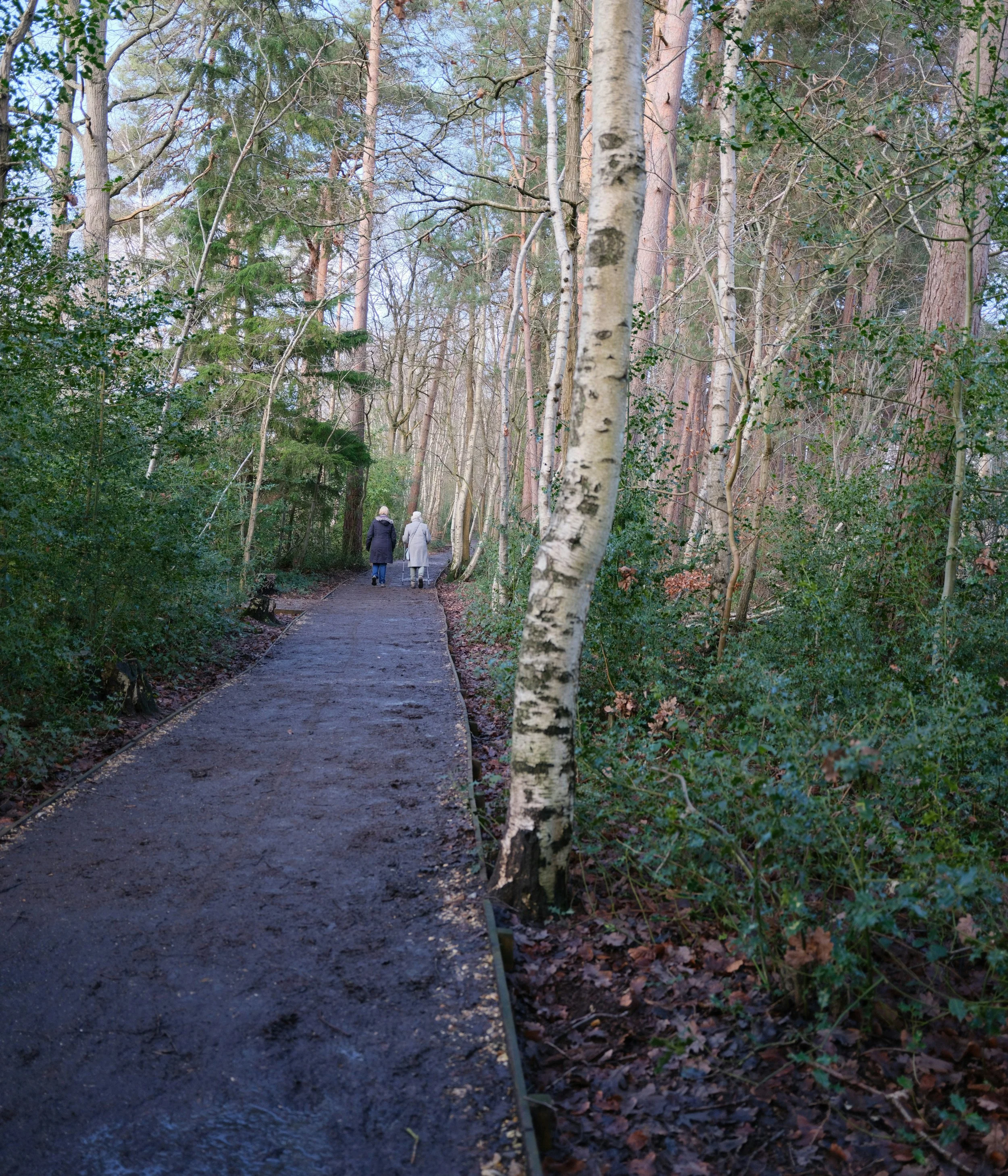
Walk and talk therapy is exactly what it sounds like. Instead of meeting in a traditional therapy office, we meet outdoors and walk together while talking through whatever is on your mind. It’s still therapy and it is still structured and evidence-based.
It just happens on a path instead of a couch!
I offer walk and talk therapy for teens and young adults in Chicago, particularly on the southwest side and in nearby south and southwest suburbs such as
Oak Lawn
Evergreen Park
Palos Heights
Palos Hills
Orland Park
Tinley Park
and surrounding communities.
If you’re someone who feels a little trapped by the idea of sitting still and talking about your feelings, this approach can feel much more natural.
Frequently Asked Questions
-
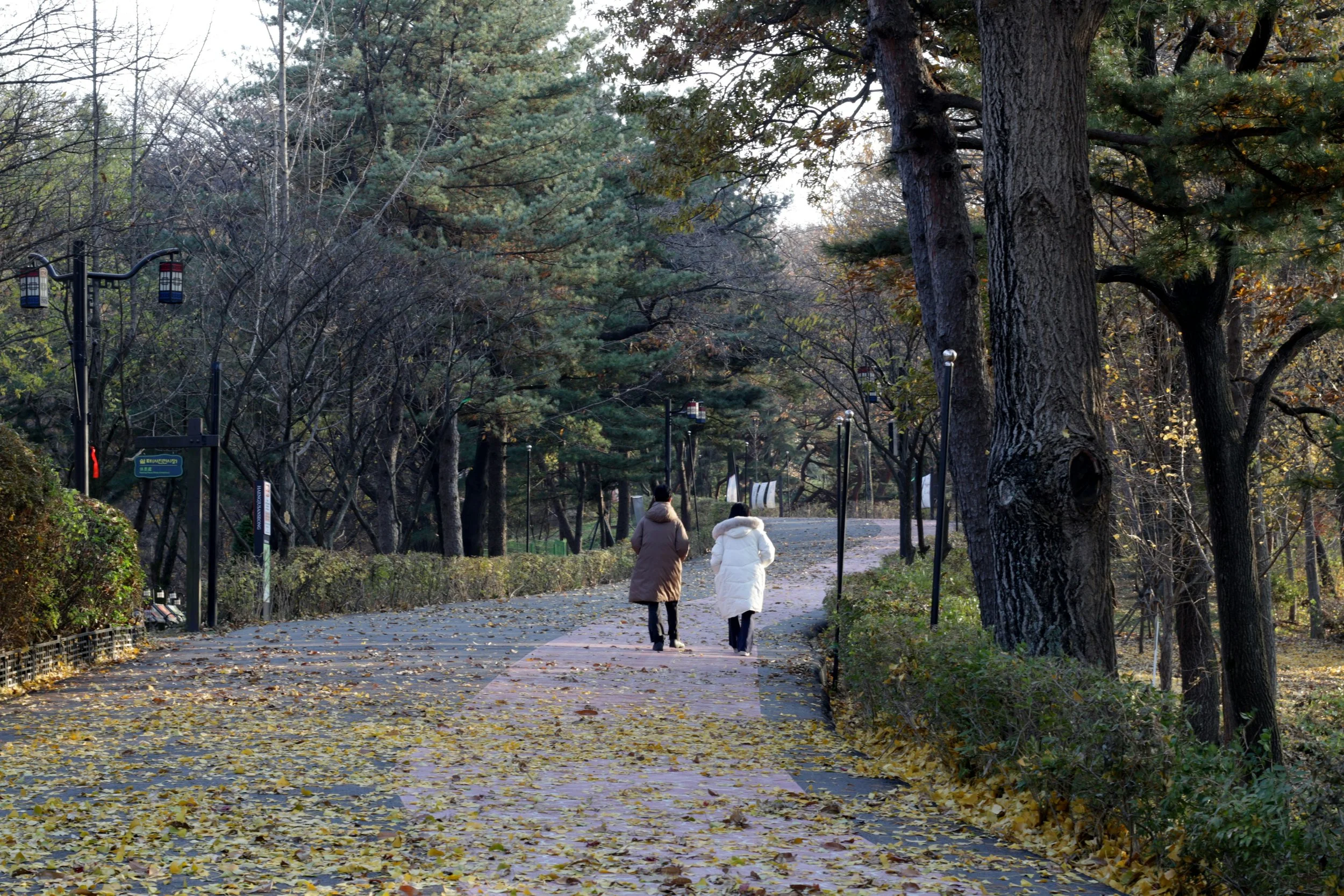
There’s something about being outside and moving your body that shifts the energy of a conversation!
For many clients, it makes therapy feel less intense and more approachable. Instead of sitting across from someone under fluorescent lights, you’re walking, breathing fresh air, and letting the conversation unfold more organically.
Clients often tell me that walking helps them:
Feel less self-conscious
Open up more easily
Think more clearly
Release nervous energy
Stay more present in the conversationMovement can be especially helpful if you struggle with anxiety, racing thoughts, perfectionism, or feeling physically restless during sessions.
Sometimes the best conversations happen while walking with someone who cares.
-
Walk and talk therapy can be helpful for many of the same challenges addressed in traditional therapy. In my practice, that often includes:
Anxiety and chronic overthinking
OCD and intrusive thoughts
Eating disorders (when cleared by a medical professional) and chronic dieting
Perfectionism and people pleasing
Life transitions in your teens, 20s, or 30s
Career stress and decision paralysis
Burnout and emotional overwhelmIf you’re a high-functioning person whose brain rarely turns off, combining movement with therapy can create a different kind of momentum. The bilateral movement and fresh air soothes our nervous systems.
-
Research shows that time spent outside can help reduce stress, improve mood, and support emotional regulation. Gentle movement like walking can also help release tension stored in the body, which many people carry when dealing with anxiety or chronic stress.
For some clients, walk and talk therapy also makes the experience feel more collaborative. Imagine it like this: we are quite literally moving forward and addressing difficult topics on the way.
Other benefits include:
A less formal therapy environment
Increased comfort for people who feel intimidated by traditional offices
Movement that helps regulate anxiety
Natural pauses in conversation that feel less awkward
Fresh air and connection with your surroundings
For some, walk and talk therapy is the gateway to healing. It makes therapy feel more approachable.
-
Walk and talk therapy can be a great fit if you:
Feel restless or distracted sitting still during sessions
Think better while moving
Enjoy being outdoors
Want therapy to feel a little less formal
Are working through anxiety, perfectionism, or life transitions
It can be particularly helpful for people who struggle with overthinking or rumination. Movement often helps the brain process information differently and can make conversations flow more naturally.
That said, walk and talk therapy isn’t the right fit for everyone or every situation. Some types of clinical work are better suited for a private office environment, and we can always discuss what format makes the most sense for your needs.
What Walk and Talk Sessions Look Like
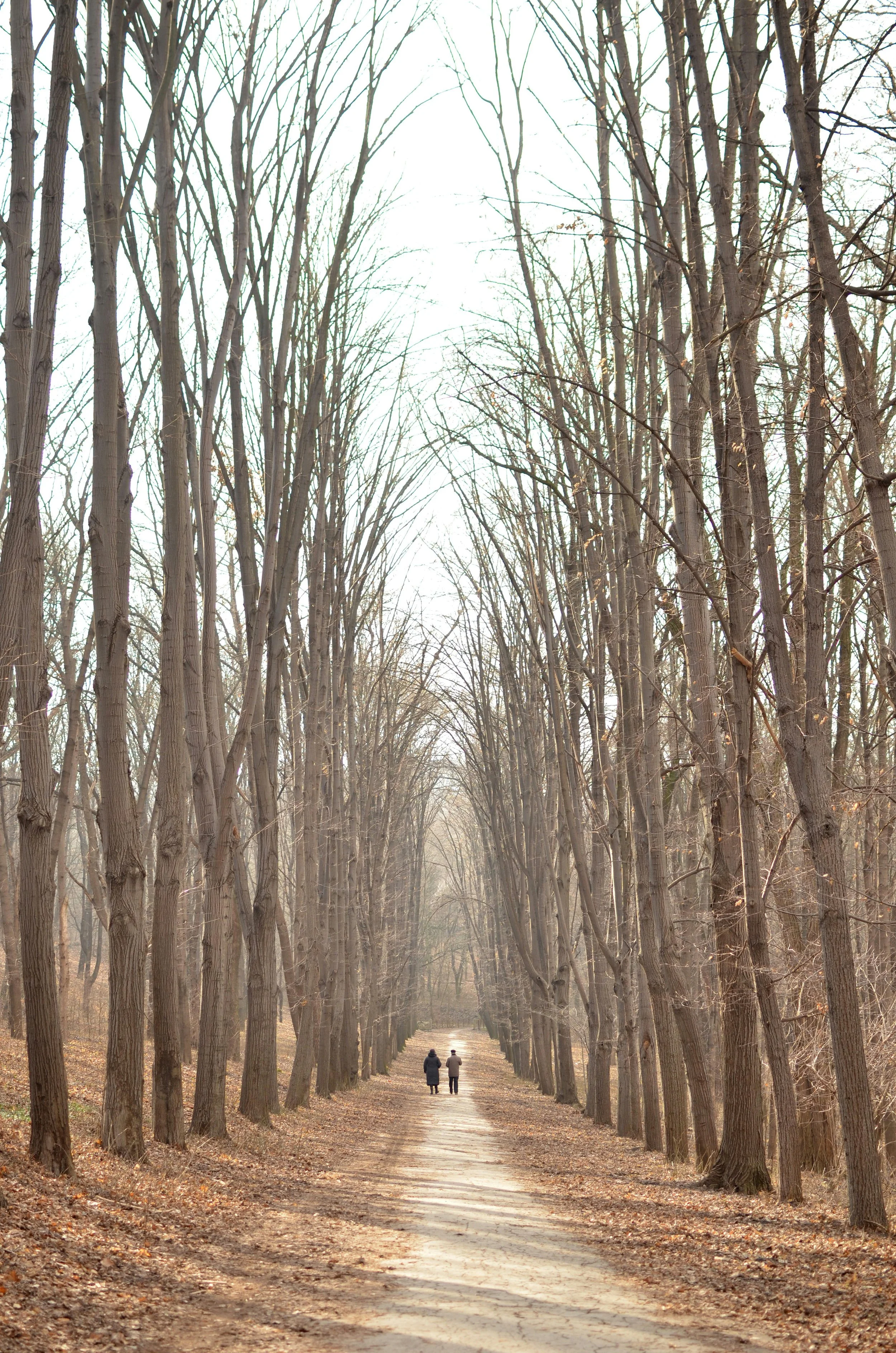
Walk and talk therapy sessions typically take place in parks, walking paths, or quiet outdoor areas around Chicago’s southwest side and nearby suburbs.
We will walk side by side at a relaxed pace (which you get to set!) and talk through the same concerns we would in a traditional therapy setting. Whatever comes up. Sessions still include the same therapeutic approaches I use in traditional therapy, including:
Acceptance and Commitment Therapy (ACT)
Cognitive Behavioral Therapy (CBT)
Exposure and Response Prevention (ERP) for anxiety and OCD
Intuitive Eating–informed work for eating disorder recovery
Sometimes we will pause, reflect, practice grounding or mindfulness skills. We can even work through exposure exercises for OCD and anxiety while out in nature.
While the setting is different, the actual work itself remains thoughtful, intentional and focused on you making meaningful change.
Walk and Talk Therapy in Chicago and the Southwest Suburbs
Walk and talk therapy is currently available for clients located in Chicago, particularly the southwest side, as well as surrounding south and southwest suburbs including:
Orland Park
Tinley Park
Palos Heights
Palos Hills
Oak Lawn
Evergreen Park
If you live in or near these areas and are looking for a therapy experience that feels more natural, flexible, and grounded, outdoor sessions may be a great option.
Therapy in Chicago That Moves With You
Therapy doesn’t have to look one specific way.
For some people, sitting in an office is exactly what they need. For others, being outside and moving creates the kind of space where real conversations and meaningful change can happen.
Walk and talk therapy combines the benefits of movement, fresh air, and evidence-based counseling so you can process what’s going on in your life while literally taking steps forward.
If you’re curious about whether walk and talk therapy in Chicago or the southwest suburbs might be a good fit, it’s something we can explore together.
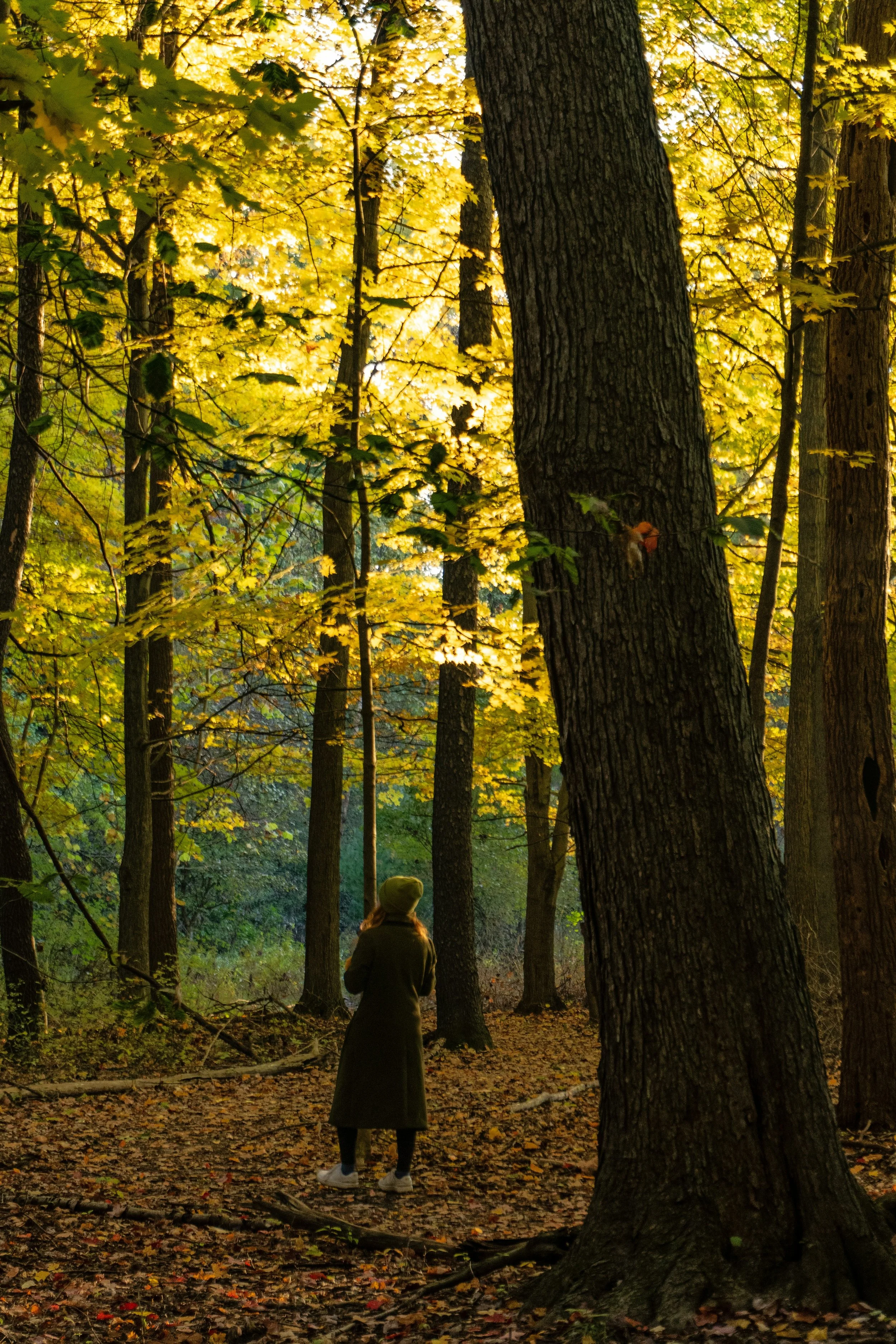
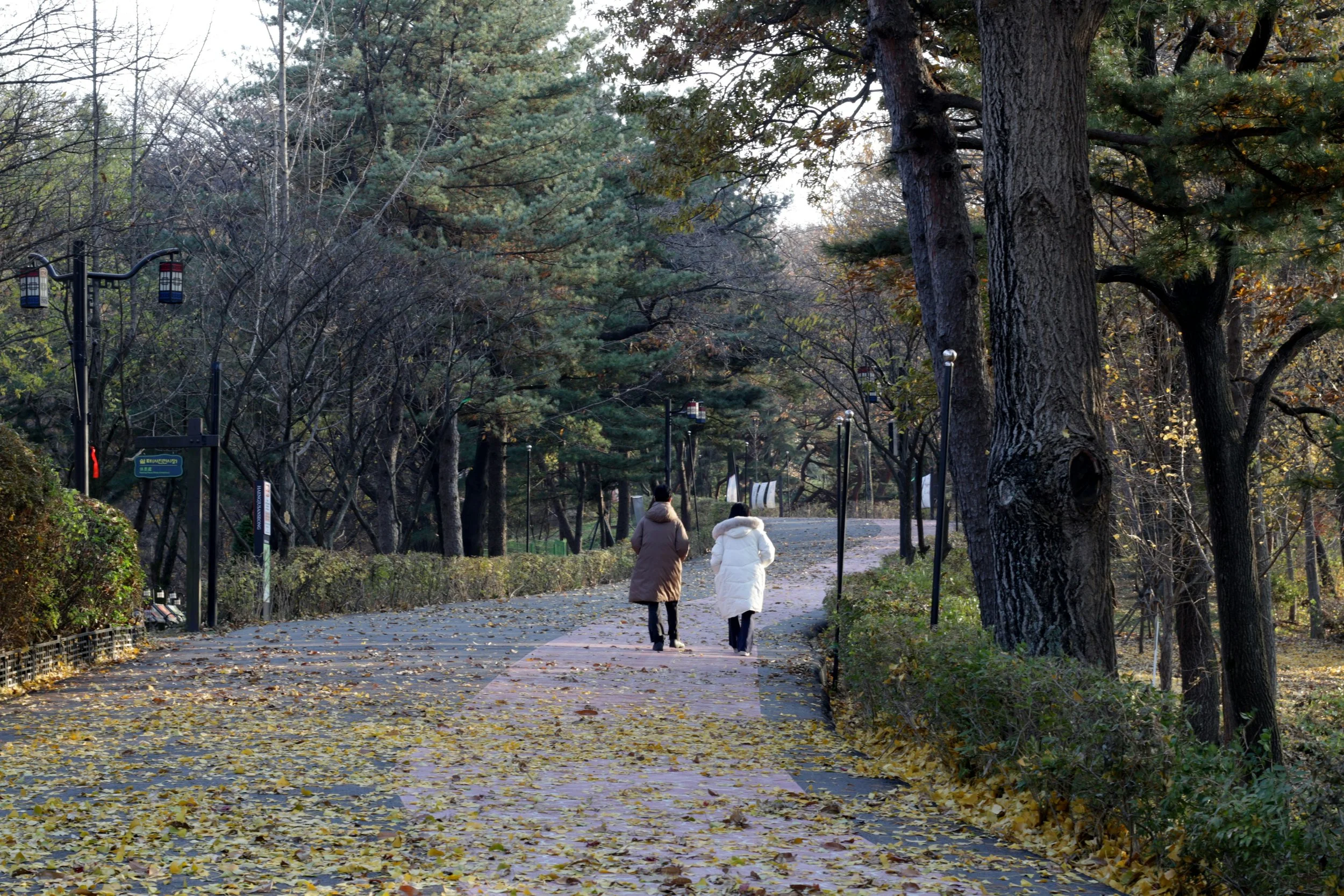
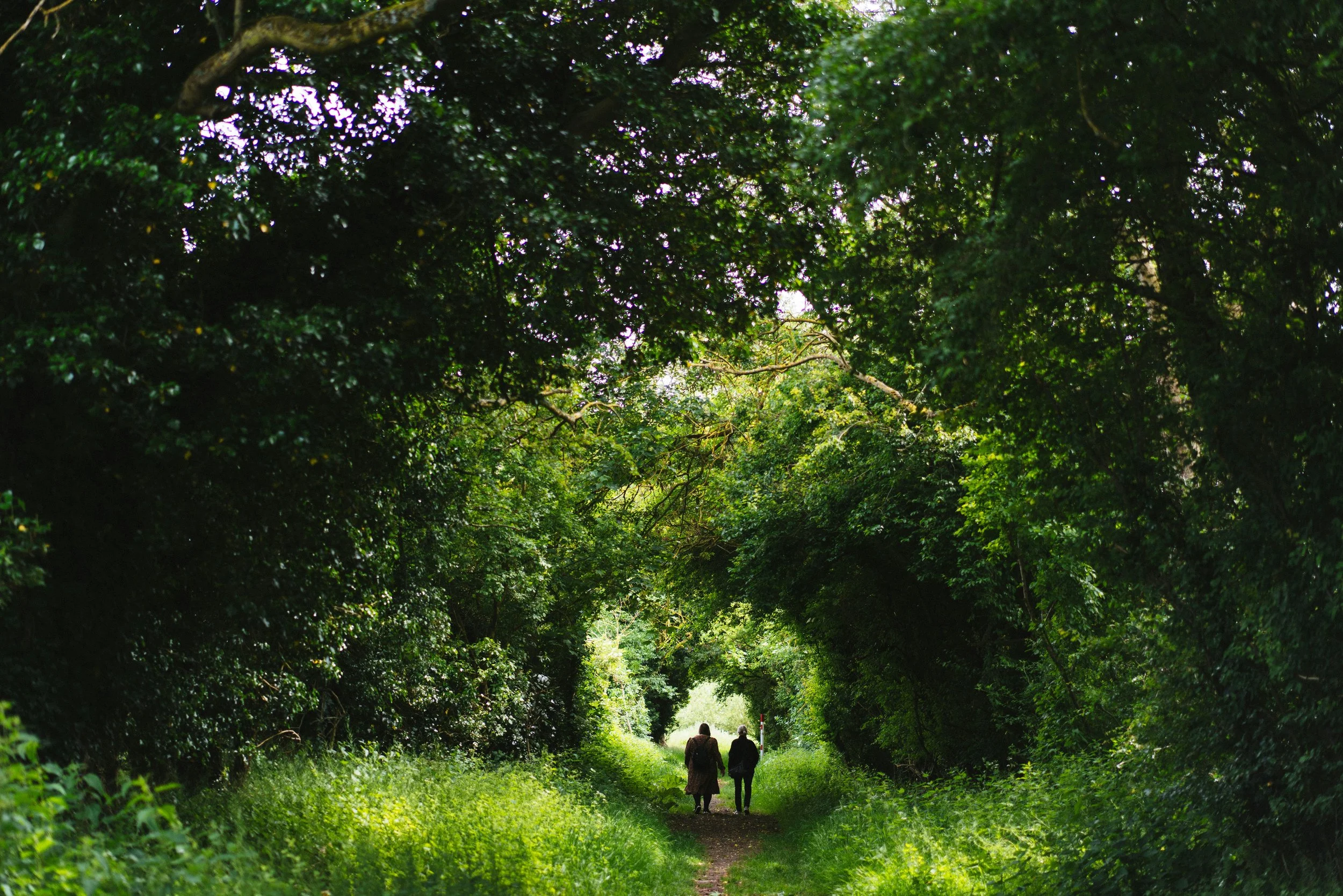
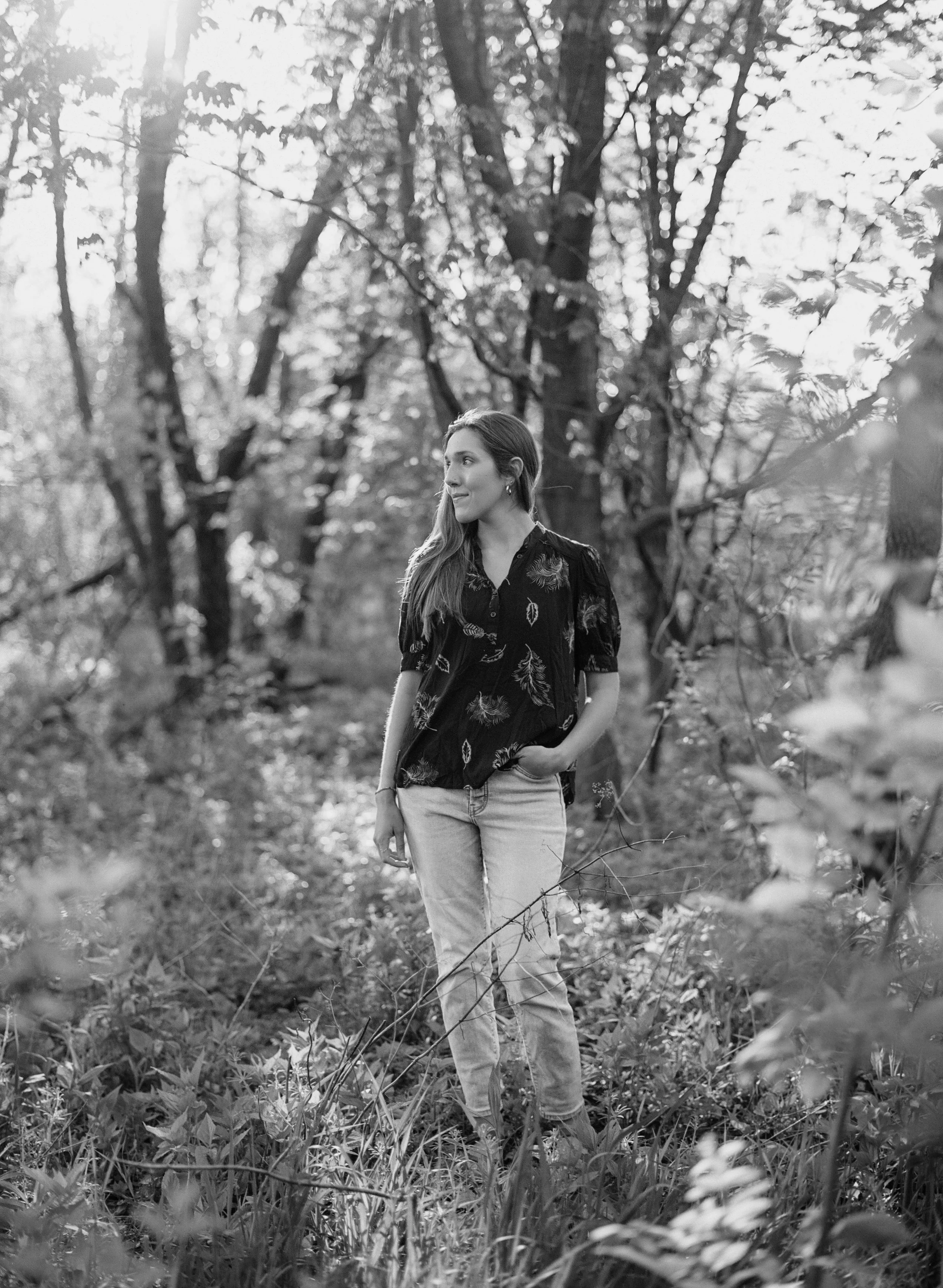
Chicago Walk and Talk Therapist
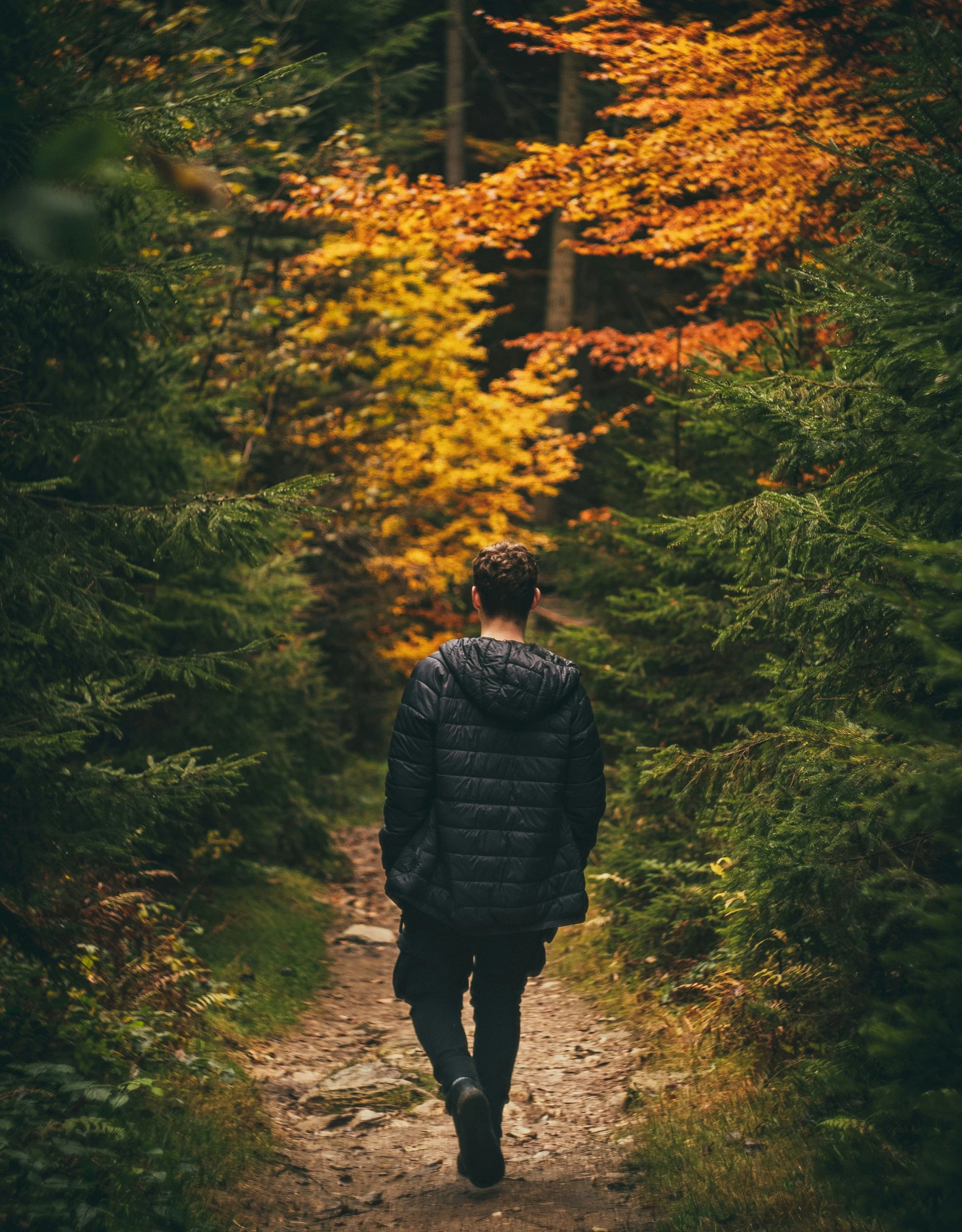
Hello there! My name is Beatrice, and I am a Chicago Walk and Talk Therapist. I am passionate about working with people living with anxiety, OCD, eating disorders and chronic dieting concerns. I use Walk and Talk Therapy to help facilitate emotional processing and untangle you from anxious and unwanted intrusive thoughts. I love Walk and Talk Therapy because it helps ground the high-drive, “always on” nervous system so many of my clients live with and allows us to slow down, appreciate the nature around us, and engage our bodies in joyful and gentle movement.
Important Considerations and Risks
Because sessions take place outdoors, walk and talk therapy comes with a few unique considerations.
First, confidentiality cannot be guaranteed in public spaces. While we choose walking routes that are quieter and less crowded, there is always the possibility that we may pass other people during the session.
We also move at a comfortable, conversational pace rather than treating it like a workout. However, clients should feel physically comfortable walking for the length of the session.
Weather is another factor. Chicago winters and unpredictable weather sometimes require flexibility. On days when outdoor sessions are not feasible, we can shift to in-office or virtual therapy instead.
Before beginning walk and talk therapy, we will review these considerations together so you can make an informed decision about whether it feels right for you.
Chicago Therapy Services
Always Blooming Counseling is proud to offer many different therapy services in Chicago. Visit each service page to learn more.